

Interlocking Stone Patios in the GTA: Design Ideas and Cost Guide
Why Interlocking Stone?
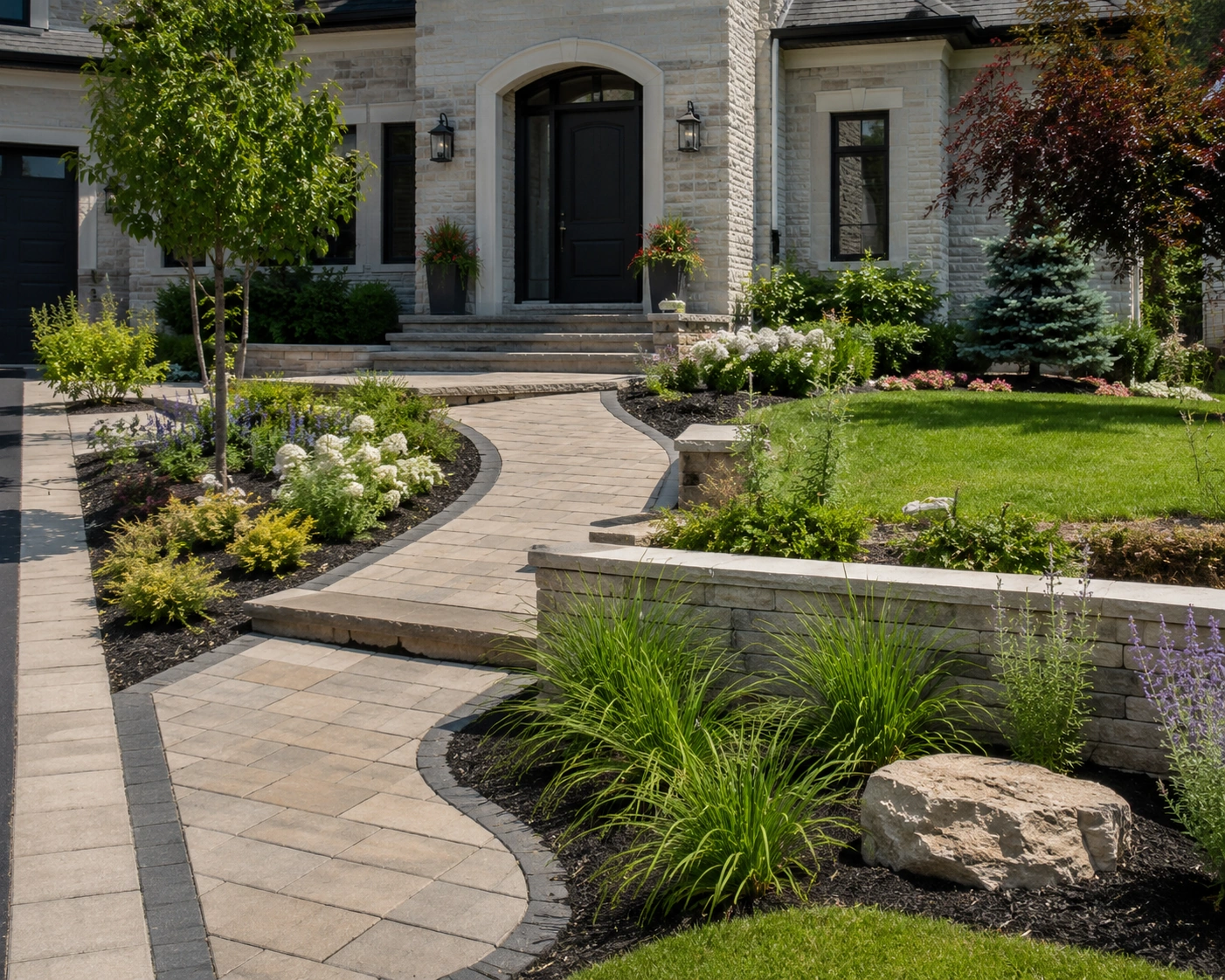
Interlocking pavers offer several advantages over poured concrete and wood decks. They're incredibly durable, handle Toronto's freeze-thaw cycles better than concrete slabs, allow for easy repair of individual units, and come in virtually unlimited colours, patterns, and textures. Unlike wood decks, they don't rot, warp, or require annual staining.
Popular Design Patterns
Herringbone is the most popular and structurally strong pattern, ideal for driveways and high-traffic areas. Running bond creates a clean modern look. Basketweave offers a traditional aesthetic. Random patterns using multiple paver sizes create a natural, organic feel.
Material Options
Standard concrete pavers are the most affordable and come in the widest colour range. Natural stone pavers like flagstone or granite offer a premium look at a higher price point. Porcelain pavers are gaining popularity for their consistent colour and low maintenance. Permeable pavers allow water to drain through, which can help manage stormwater on your property.
Cost Breakdown
In the GTA, a professionally installed interlocking stone patio typically costs $25 to $45 per square foot including materials, base preparation, and installation. A standard 200-square-foot patio runs $5,000 to $9,000. Larger projects, premium materials, or complex designs with curves and multiple levels push costs higher.
The Importance of Proper Base Work
The most critical part of any interlock installation is the base. A proper base includes 6 to 8 inches of compacted granular material, 1 inch of bedding sand, proper grading for drainage, and edge restraints to prevent shifting. Cutting corners on base preparation leads to settling and uneven surfaces within a few years.
Maintenance Tips
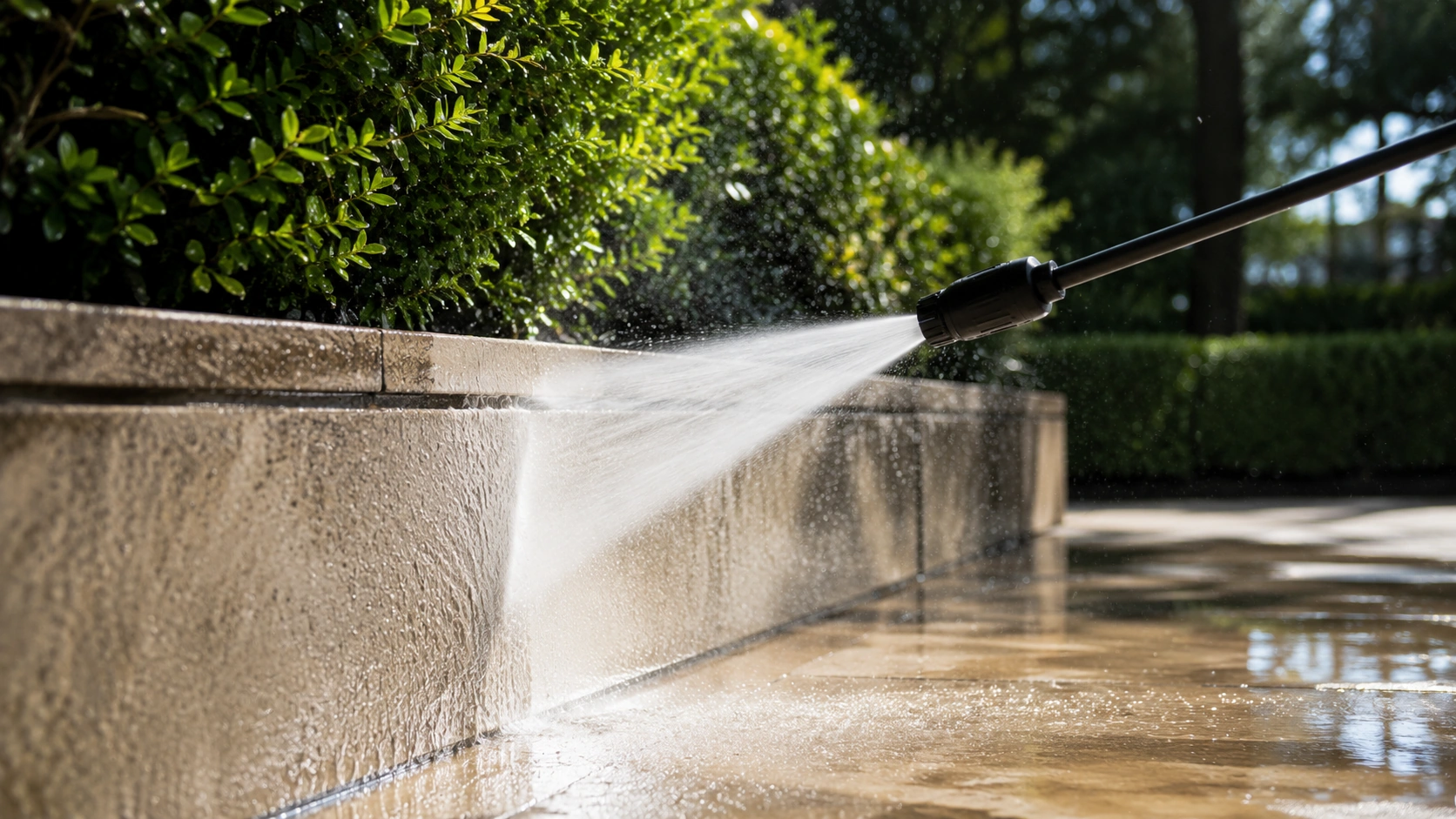
Interlocking patios are low maintenance but not zero maintenance. Sweep regularly to prevent organic matter in joints. Re-apply polymeric sand every 3 to 5 years. Power wash annually to remove algae and staining. Address any shifted or sunken pavers quickly before they worsen.